AI for Payments, Fraud Prevention and Financial Crime: Treasury's New Immune System
AI in Treasury Series - From Fear to Strategic Liquidity OS
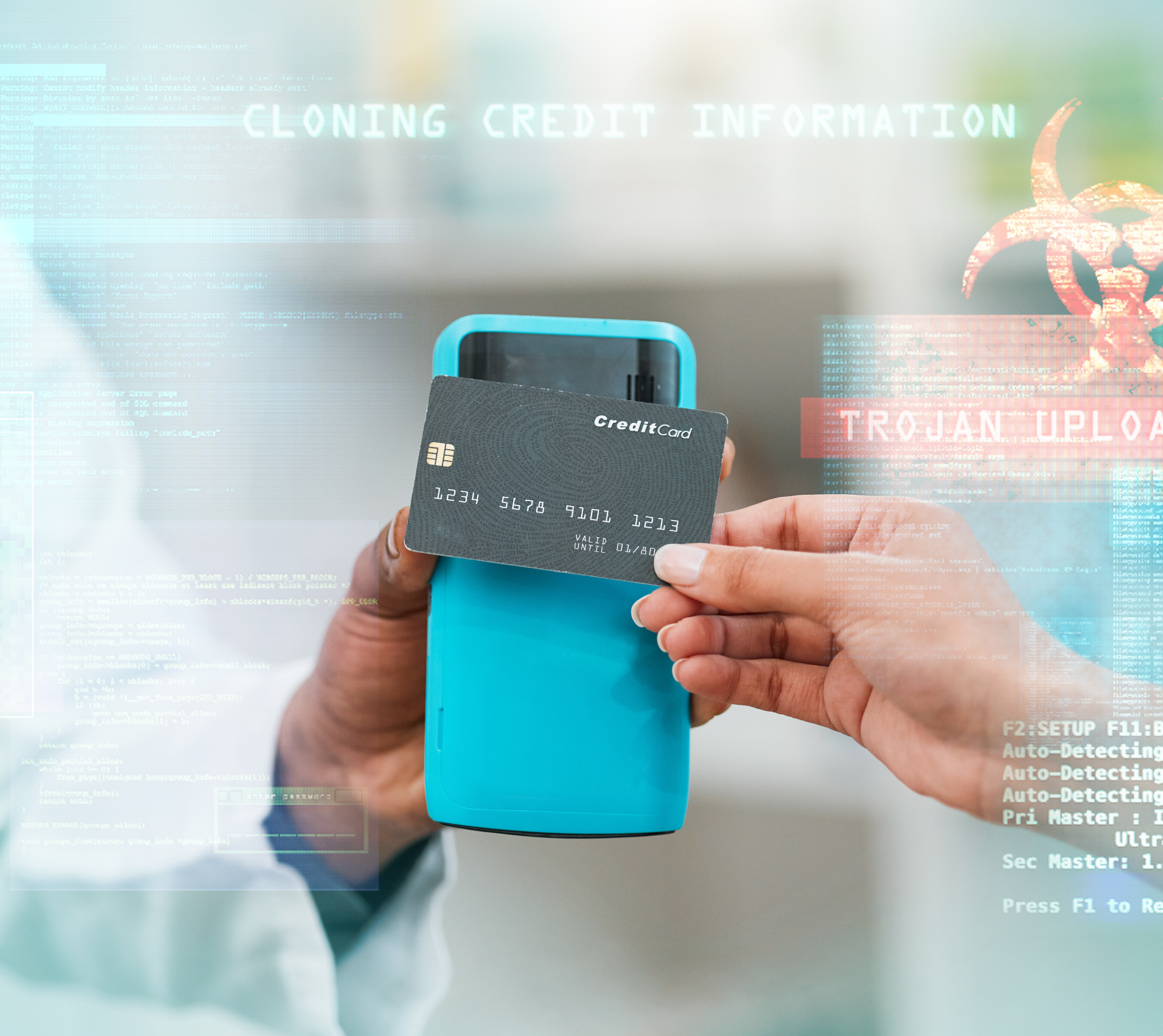
When the Payments Flow, Trust Flows
Treasury is the lifeblood of corporate payments. Billions move daily across borders, currencies, and banking networks. If payments stall, the company stalls. If fraud sneaks in, the damage is not just financial, it's reputational.
AI promises to make payments smarter and fraud detection sharper. It can monitor every transaction, flag anomalies in real time, and even predict fraud before it happens. Sounds like an immune system for treasury.
But like any immune system, overreaction is as dangerous as underreaction.
The New Threats
Payments are no longer just vulnerable to human fraudsters with fake invoices. With AI in the wild, the adversaries are upgrading too.
- Deepfake fraud: convincing voices imitating CEOs asking for urgent transfers.
- Synthetic trade finance documents: letters of credit that look authentic down to the metadata.
- Cross-border anomalies: hidden arbitrage, round-tripping, or manipulation buried in thousands of daily transactions.
Treasurers see the headlines and shiver. And then the question comes: "If AI is catching fraud, who's making sure the AI itself isn't fooled?"
The Unsayable Fears
Here are the worries most won't voice in public meetings:
- "What if an employee pastes sensitive data into ChatGPT and it leaks out?" (Ask Samsung. It happened.)
- "What if someone tricks the AI with a clever prompt, bypassing payment controls?" (It's called prompt injection, and yes, it works.)
- "What if the AI flags so many false positives that we end up ignoring the real fraud?"
These fears are not paranoia. They are what's stalling adoption. Treasurers know payments are too critical to experiment carelessly.
How to Make AI a Real Immune System
The answer is not to abandon AI. It's to give it guardrails.
- Private Endpoints Only. No treasury data should touch public AI models. Use private, enterprise-grade deployments with encryption and tenant isolation.
- OWASP for AI. The AI security community has already listed the top risks (prompt injection, data poisoning, insecure output). Treasuries should treat them as seriously as PCI DSS or SWIFT security standards.
- Explainable Alerts. A fraud flag without a reason code is useless. AI must say why it suspects fraud, in plain language.
- Link Fraud to Ratings. Here's the kicker: fraud prevention isn't just about saving money. Regulators and rating agencies reward firms that reduce operational risk. Fewer fraud losses mean lower capital charges and better credit profiles.
Culture Matters Too
Technology can't fix a bad culture. If treasury teams don't trust the AI, they'll bypass it. If they're afraid of "shadow AI" leaks, they'll resist it.
The solution is training and transparency. Staff must know not just how to use AI, but where not to use it. An AI usage policy is now as critical as a code of conduct.
Closing Thought
AI can make treasury payments safer, faster, and more intelligent. But only if we stop treating it like a silver bullet.
The real goal is not a model that catches every fraud. It's a system that is resilient, auditable, and trustworthy, an immune system that learns without overreacting.
Because when it comes to payments, overreaction is just another form of paralysis. And paralysis is the one thing no treasury can afford.